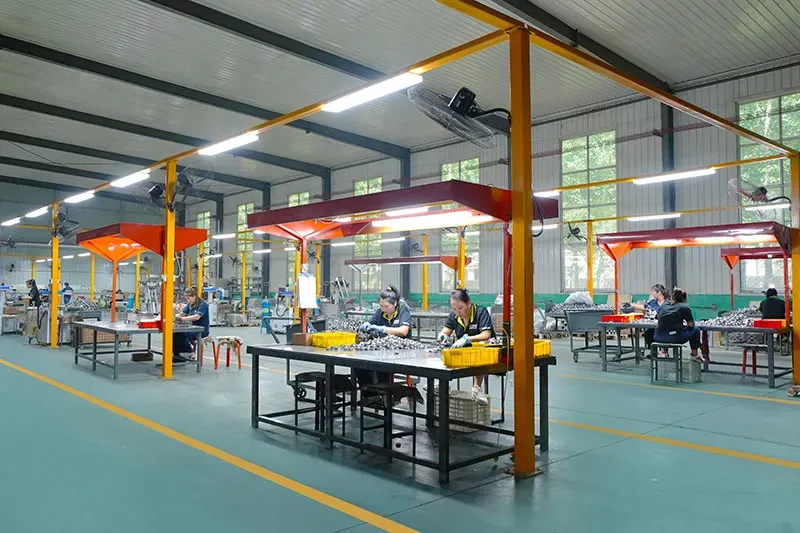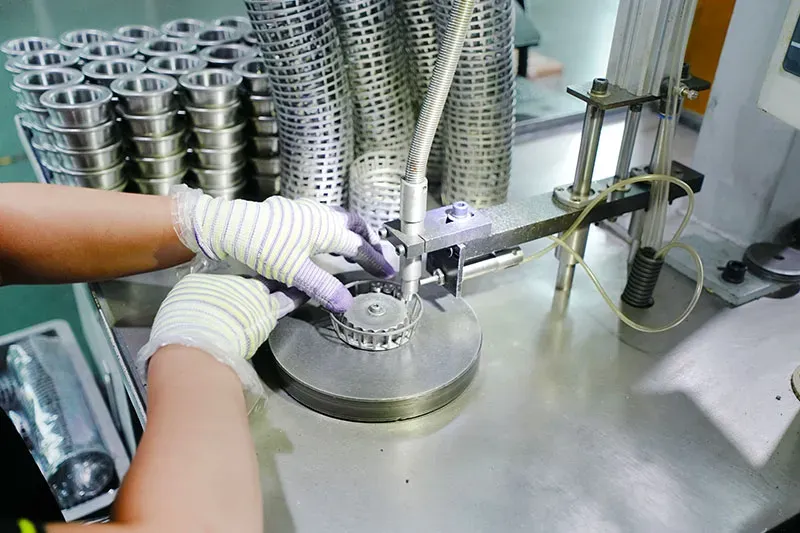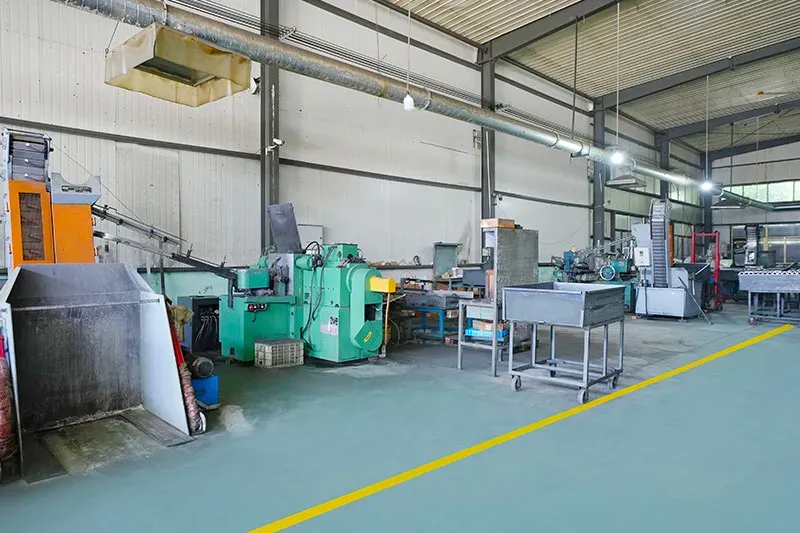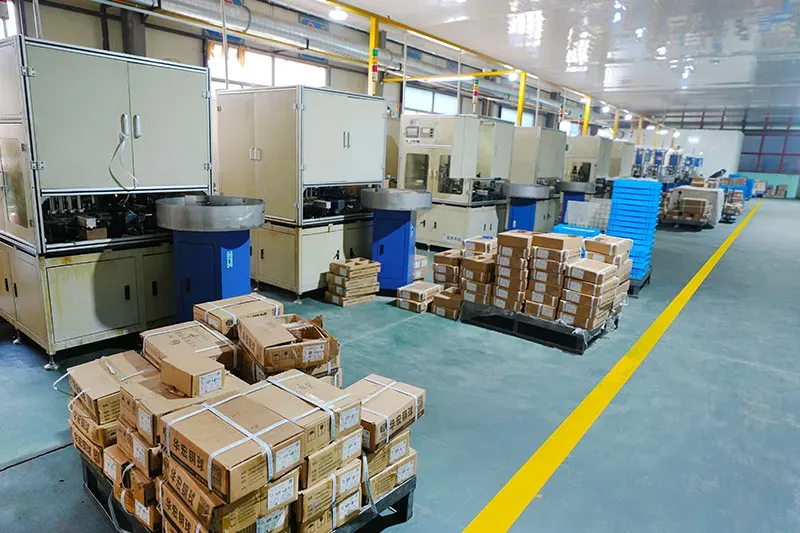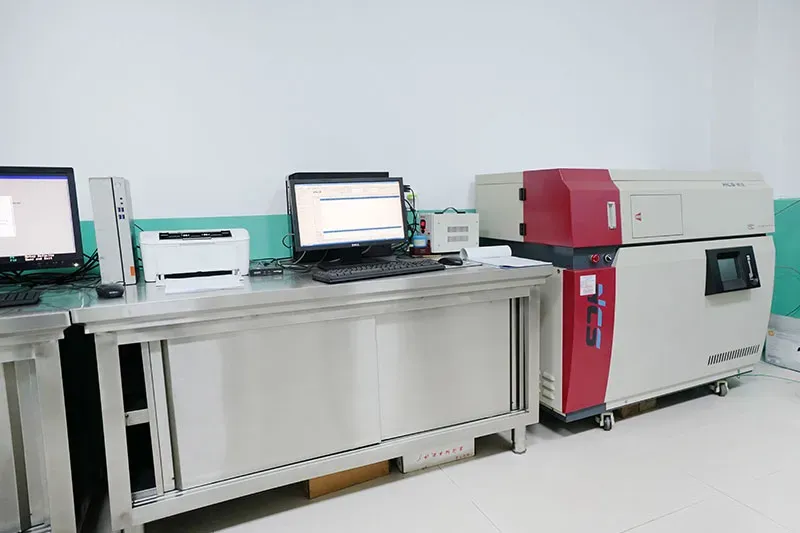







Bearings are the "joints" of rolling mill equipment, directly determining the rolling precision, operational stability and production efficiency of rolling mills. Their application needs to cope with the harsh working conditions of high load, strong impact, high temperature and heavy dust at the same time. The specific scenarios and technical characteristics are as follows:
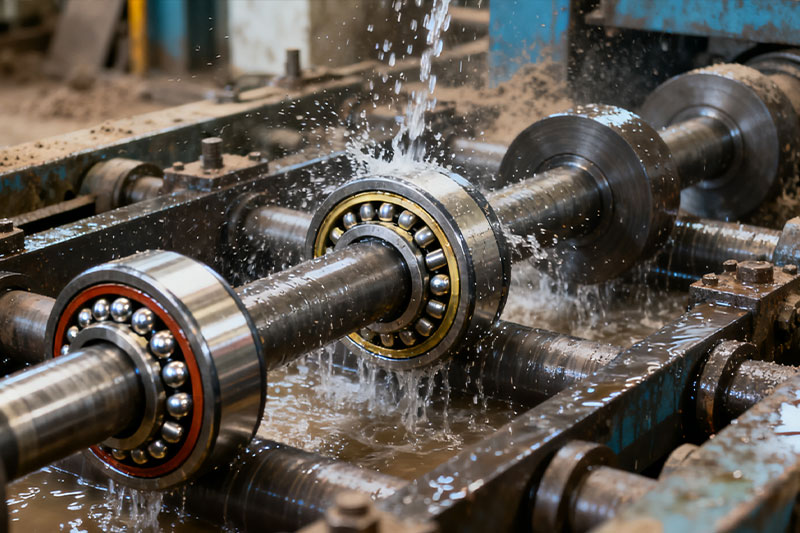
1. Work Rolls and Backup Rolls: Bearing Core Loads
Applied bearing types: Four-row cylindrical roller bearings (supporting radial loads) + Double-row thrust spherical roller bearings (withstanding axial forces)
Core functions:
Work rolls of rolling mills are in direct contact with steel plates/steel strips and have to withstand radial pressure up to several thousand tons during rolling. Four-row cylindrical roller bearings evenly distribute the load through multiple rows of rollers, can bear extremely large radial forces (the basic dynamic load rating of a single bearing can reach tens of thousands of kN), and at the same time maintain the rigid positioning of the roll system to ensure uniform plate thickness.
The matched thrust bearings offset the axial movement force generated during the rolling process, avoiding wavy defects on the plate edges caused by the deviation of the roll system.
2. Rolling Mill Transmission Shafts: Transmitting Torque and Compensating Deviations
Applied bearing types: Spherical roller bearings, Tapered roller bearings
Core functions:
Rolling mill transmission shafts connect motors and roll rolls, and axial deviation may occur during operation due to installation errors or load deformation. The double-row spherical design of spherical roller bearings can automatically compensate for angular deviations (allowing a deflection angle of 1°~2.5°) to prevent bearing seizure.
For transmission shafts that need to withstand both radial forces and torque at the same time, tapered roller bearings achieve high-rigidity support through a line contact structure to ensure no slip in power transmission.
3. Auxiliary Roll Systems: Ensuring Continuous Rolling Stability
Applied bearing types: Deep groove ball bearings, Needle roller bearings
Core functions:
In auxiliary equipment such as straightening rolls and guide rolls, deep groove ball bearings adapt to high-speed operation with low friction characteristics (the linear speed can reach more than 30m/s), and at the same time, the sealing structure (such as double-sided rubber seals) can block the intrusion of iron filings, cooling water and emulsion generated during the rolling process, extending the maintenance cycle.
Pinch rolls in compact spaces adopt needle roller bearings, which achieve high load capacity in a small volume to meet the compact design requirements of rolling mills.
4. Adaptation Technology for Special Working Conditions
Impact resistance enhancement: Bearing rings adopt bainite quenching process with a hardness of HRC60~64, and the roller surfaces are processed by superfinishing to reduce contact stress concentration and cope with instantaneous impact loads during rolling.
High temperature stability: High temperature resistant lubricating grease (applicable temperature -40℃~180℃) is used, and cages are made of brass or high-strength polymer materials to prevent deformation and seizure at high temperatures.
Dust protection: A double-lip seal + labyrinth structure is adopted to prevent impurities such as scale and iron powder from entering the raceway, which can increase the bearing service life by more than 30% in hot rolling environments.
In modern rolling mills (such as continuous cold rolling mills and wide and heavy plate rolling mills), the selection and maintenance of bearings directly affect the rolling precision (the thickness tolerance can be controlled within ±0.01mm) and the equipment operation rate, which is the core guarantee for achieving efficient and low-consumption rolling.