





 WeChat
WeChat
WeChat
The pulp and paper industry has developed into one of the largest industries in the world, with manufacturers from North America, Northern Europe, and...
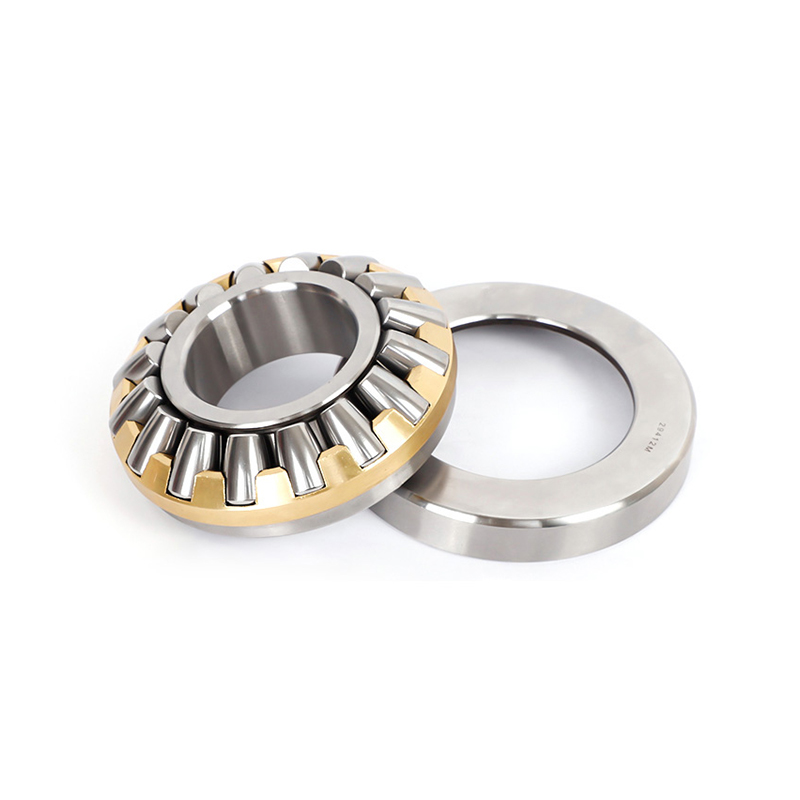
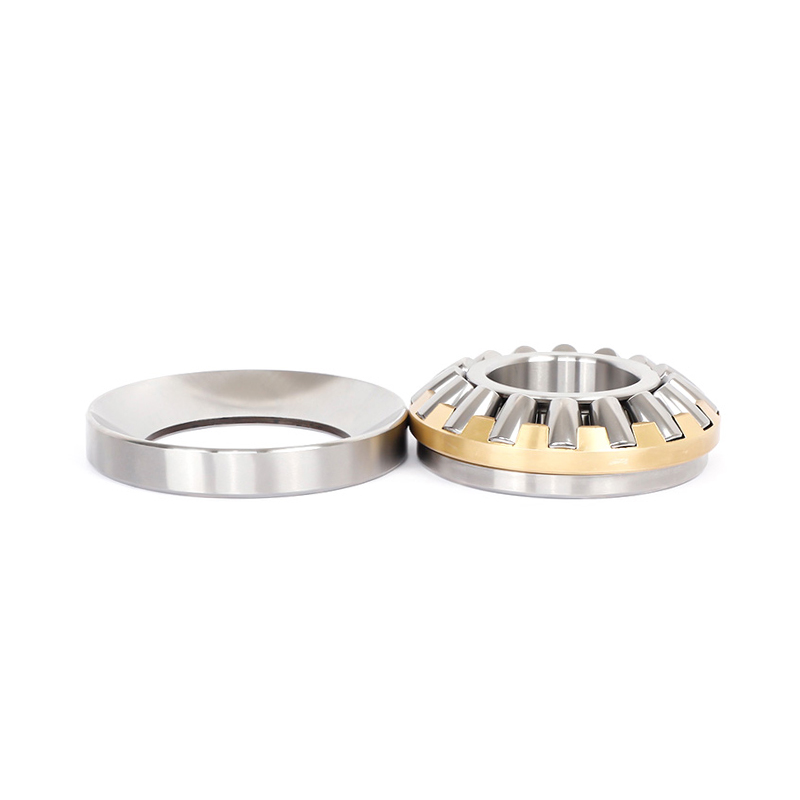
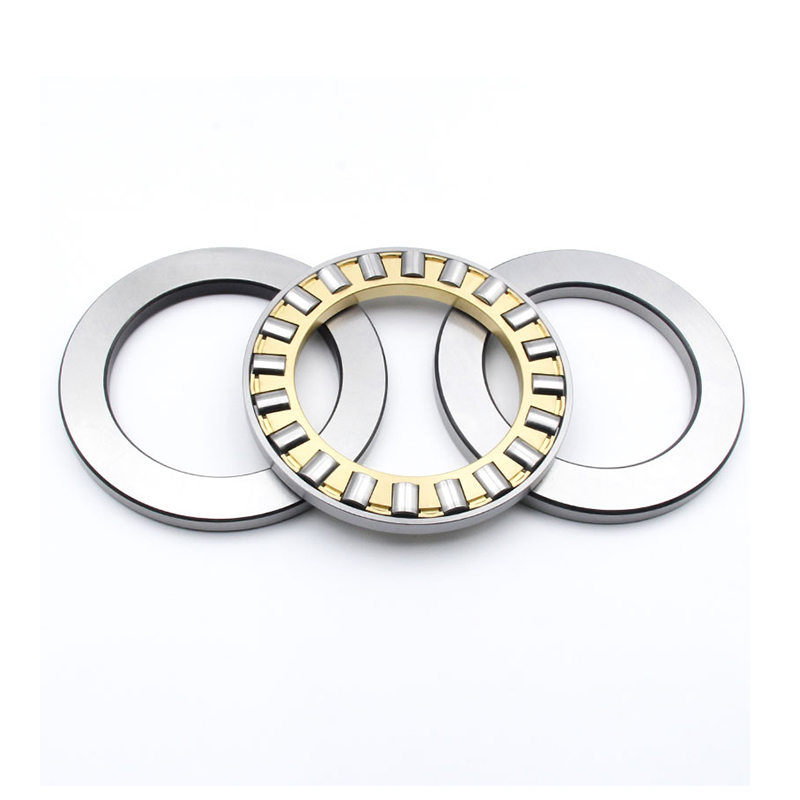
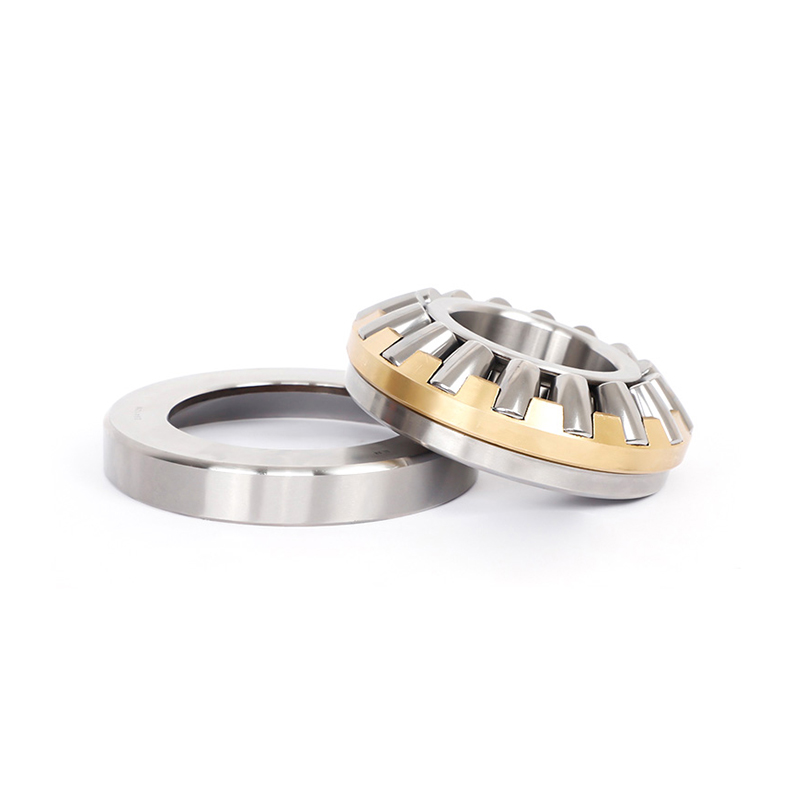
Thrust roller bearings are primarily designed to withstand axial loads, capable of stably carrying large unidirectional or bidirectional axial loads. Certain models can bear a certain degree of impact loads, making them suitable for heavy-duty working conditions. Such bearings have relatively low radial load-carrying capacity, and direct radial forces on the bearings should be avoided during use. Meanwhile, their compact structural design ensures load-bearing performance while saving axial installation space for equipment, adapting to the layout requirements of various industrial equipment.
Features and Advantages
Excellent Axial Load-Bearing Performance
These bearings adopt a structural design of line contact between the rollers and raceway surfaces, combined with an optimized roller arrangement design, which can evenly transmit axial loads to the raceways and greatly raise the upper limit of the axial load-carrying capacity of a single bearing. They can operate stably for a long time in heavy-duty scenarios such as metallurgy, mining and heavy machinery.
Superior Operational Stability
Equipped with high-precision cages, the bearings can effectively guide the orderly operation of rollers and reduce friction and collision between them. At the same time, the raceway surfaces are precision ground to lower the friction coefficient during operation, which not only reduces heat generation but also avoids operational vibration caused by component wear, improving the overall operational stability of the equipment.
Adaptable to Complex Working Conditions
For different application scenarios, thrust roller bearings can be provided with different sealing structures and lubrication solutions, adapting to certain dusty and humid environments. In addition, some models have a certain degree of self-aligning capability, which can compensate for slight misalignment errors during installation, lower the requirements for equipment installation accuracy and expand the scope of application.