






Excessively high bearing temperature is a common and highly detrimental fault in rotating equipment, which shortens the service life of bearings and increases maintenance costs. A rapid temperature rise or temperature exceeding the standard value can easily lead to unplanned shutdown or load reduction of the unit, exerting a significant negative impact on economic benefits. Therefore, quickly determining the cause of the fault and taking corresponding measures to resolve it is the key to ensuring the continuous and safe operation of equipment.
Today, we will analyze the causes and solutions of bearing overheating for you.
### Common Causes of Excessively High Bearing Temperature
1. Poor Lubrication
Insufficient or excessive amount of lubricating grease, non-compliant quality of lubricating oil, oil deterioration, or impurities mixed in the oil.
2. Inadequate Cooling
Clogged cooling pipelines and improperly selected coolers, leading to poor cooling effect.
3. Abnormal Bearing Itself
Bearing damage, unqualified bearing assembly process, or non-compliant clearance adjustment of each component of the bearing housing.
4. Excessive Vibration
Substandard coupling alignment process, dynamic and static unbalance of the rotor, insufficient rigidity or looseness of the equipment foundation, as well as the occurrence of rotating stall and surge.
### Solutions for Excessively High Bearing Temperature
1. Improper Oil Filling: Insufficient or Excessive Lubricating Grease
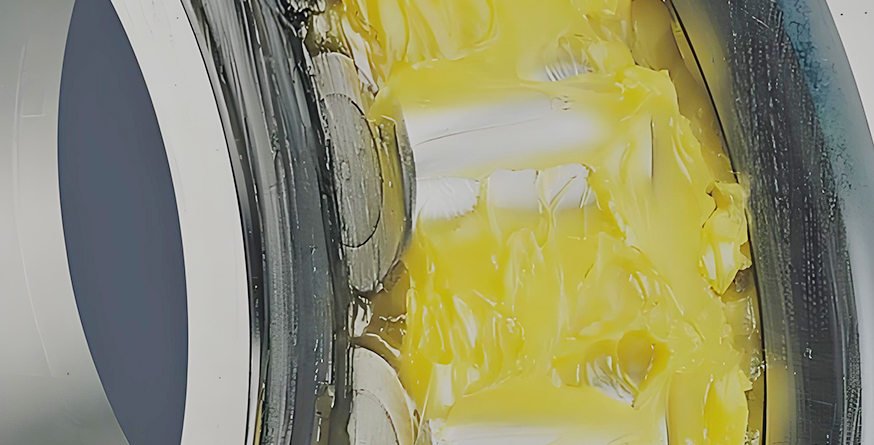
The bearing housing should be refueled regularly in accordance with operational requirements. A high temperature may still occur after refueling the bearing, mainly due to an excessive amount of lubricating grease added. The phenomenon at this time is as follows: the temperature rises continuously, stabilizes after reaching a certain value (usually about 10℃~15℃ higher than the normal working temperature), and then gradually decreases.
2. Non-compliant or Contaminated Lubricating Grease Added to the Bearing
Improper selection of lubricating grease makes it difficult to form a uniform lubricating oil film and reduce friction and wear inside the bearing, and insufficient lubrication will cause the bearing temperature to rise. Mixing different types of lubricating grease may cause chemical reactions, leading to deterioration and caking of the lubricating grease and reducing the lubrication effect. Contamination of lubricating grease will also increase the bearing temperature—during the process of adding lubricating grease, dust falling into the bearing will cause grease contamination, which in turn leads to the deterioration of lubricating grease in the bearing housing, damages the lubrication environment of the bearing, and ultimately causes the temperature to rise.
Therefore, a suitable type of lubricating grease should be selected; the bearing housing and bearings need to be cleaned during maintenance, and the oil filling pipelines should be inspected and unclogged; mixing different types of lubricating grease is prohibited, and the original lubricating grease must be removed first if it is necessary to replace it with another type; lubricating grease should be added regularly during operation and maintenance, and stored properly with moisture and dust prevention measures taken.
3. Inadequate Cooling
Inspect whether the cooling pipelines are clogged, and whether the inlet temperature of cooling oil and the return temperature of cooling water exceed the standard. If the cooler is improperly selected, has a poor cooling effect and cannot meet the usage requirements, the cooler should be replaced in a timely manner or a new cooler installed in parallel. For axial flow induced draft fans, it is also necessary to check the thermal insulation and sealing conditions of their core barrels.
4. Recheck the Alignment of the Coupling and Bearing After Eliminating the Above Problems
The alignment of the coupling shall comply with process standards. When aligning equipment such as axial flow induced draft fans and hydraulic couplings, the thermal expansion problem during equipment operation must also be considered: the bearing housing will rise due to thermal expansion on the impeller side of the induced draft fan; the temperature of the hydraulic coupling rises during operation, and the bearing housing expands when heated, which also causes the bearing position to rise. Therefore, the motor should be properly raised during alignment, and the size of the reserved allowance should be determined according to the equipment characteristics and temperature parameters during operation.
### Key Points for Bearing Inspection
1. Bearing Quality Inspection
When disassembling the bearing housing, it is first necessary to check whether the lubricating grease has deteriorated, caked or mixed with impurities, which is an important basis for judging the cause of bearing damage. Secondly, inspect the bearing for damage and wear: check the surface finish of the bearing inner ring, outer ring, rolling elements and cage, and confirm whether there are defects such as cracks, corrosion, spalling, pits and overheating discoloration; measure whether the bearing clearance exceeds the standard; inspect the shaft sleeve for wear, pits and spalling. If the above problems exist, the bearing should be replaced with a new one.
2. Inspection of Bearing Fitting Precision
The fit between the inner diameter and the shaft, as well as the fit between the outer diameter and the bearing housing are crucial during bearing installation. When the fit is too loose, relative sliding will occur on the fitting surface (this phenomenon is called "creep"). Once creep occurs, the fitting surface will be worn, damaging the shaft or bearing housing, and the metal powder generated by wear will invade the inside of the bearing, causing bearing overheating, vibration and even damage. An excessive interference fit will cause the outer diameter of the bearing outer ring to shrink or the inner diameter of the inner ring to expand, reducing the internal clearance of the bearing. When selecting a suitable fit, factors such as the nature and size of the bearing load, temperature conditions, and the rotation state of the inner and outer rings must be comprehensively considered.
3. Inspection of the Adjustment of Fitting Clearance of Each Bearing Component
If the bearing clearance is too small, the shear friction loss of the lubricating grease in the clearance will be excessive, which will also cause the bearing to heat up; at the same time, too small clearance will reduce the oil volume, making it impossible to take away the heat generated by friction in a timely manner and further exacerbating the bearing temperature rise. However, an excessively large clearance will change the dynamic characteristics of the bearing and lead to unstable rotor operation. Therefore, it is necessary to select a verified and suitable bearing clearance according to different equipment and operating conditions.