






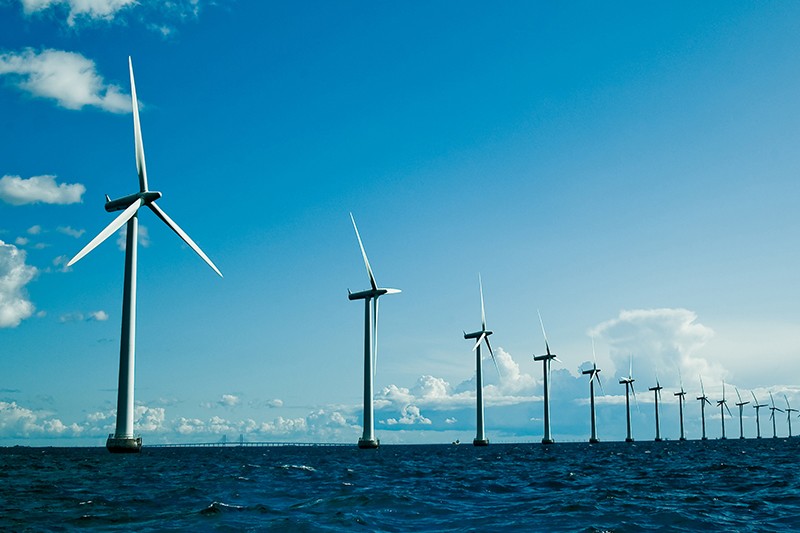
The wind power industry is under tremendous pressure to reduce maintenance costs and the cost per megawatt-hour by improving the design, performance and reliability of wind turbines. Wind turbine operators must ensure their equipment remains in operation for as long as possible — the performance and reliability of such equipment are subjected to severe challenges due to its constant operation in harsh environments (offshore, cold regions or remote areas). Meanwhile, they also have to address issues such as high maintenance costs and long lead times for replacement parts, all of which can impact the competitive edge of power generation. Therefore, the adoption of reliable components and intelligent processes is crucial.
Bearings dedicated to wind turbines have an extremely high demand for reliability, as such bearings are designed on the premise of ensuring the wind turbine can operate for 20 years, and component replacement is highly challenging in the event of a failure. For this reason, bearing manufacturers must possess advanced computer analysis technologies, master exquisite material and heat treatment processes, and sometimes also grasp the testing and evaluation technologies for large bearing components.
The main shaft configuration of a wind turbine is a key component of gear-driven, semi-direct drive or direct drive designs. Regardless of the configuration adopted, the main shaft must be able to withstand axial and radial loads and operate under variable harsh conditions. We provide tailored product solutions for all types of configurations and wind turbine designs.
Any measure that can reduce maintenance can boost return on investment and lower the average cost of energy. For years, we have collaborated with leading original equipment manufacturers (OEMs) to optimize the performance of wind turbines and enhance equipment reliability and power generation capacity. The bearings, seals, condition monitoring systems and lubrication systems we have designed and developed help achieve more cost-effective wind power generation and reduce lubricant consumption.