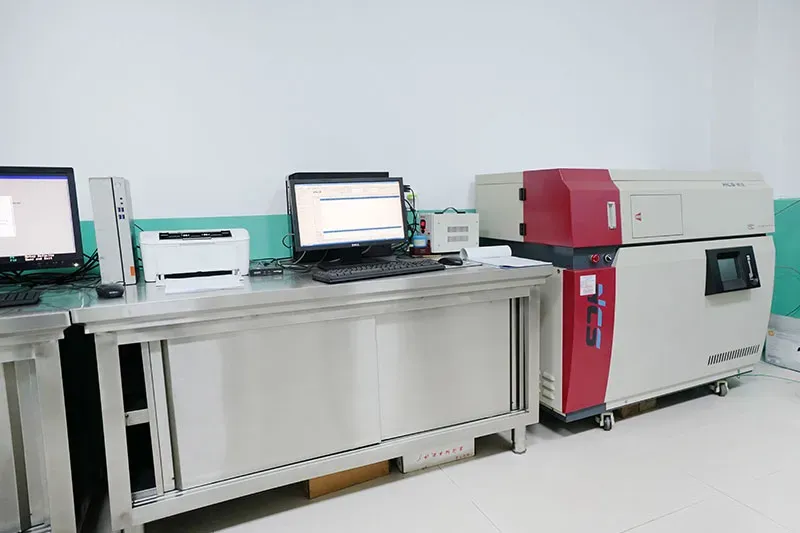







In photovoltaic power generation systems, bearings act as core transmission components. Though unassuming, they directly affect the stability and power generation efficiency of equipment, with their applications concentrated in three key links covering the entire process from light energy capture to power transmission.
First is the photovoltaic tracking system. To maximize solar energy utilization, most large-scale photovoltaic power stations adopt horizontal single-axis or dual-axis tracking systems, which adjust the angle of photovoltaic panels in real time according to the sun's position. The connection between the drive motor and the rotating shaft in the system relies on deep groove ball bearings or self-aligning ball bearings to achieve smooth rotation — these bearings must feature low friction and high dust resistance, and be capable of long-term operation in complex outdoor environments such as high temperatures and sandstorms, preventing a decline in tracking accuracy caused by jamming and thus reducing power generation losses.

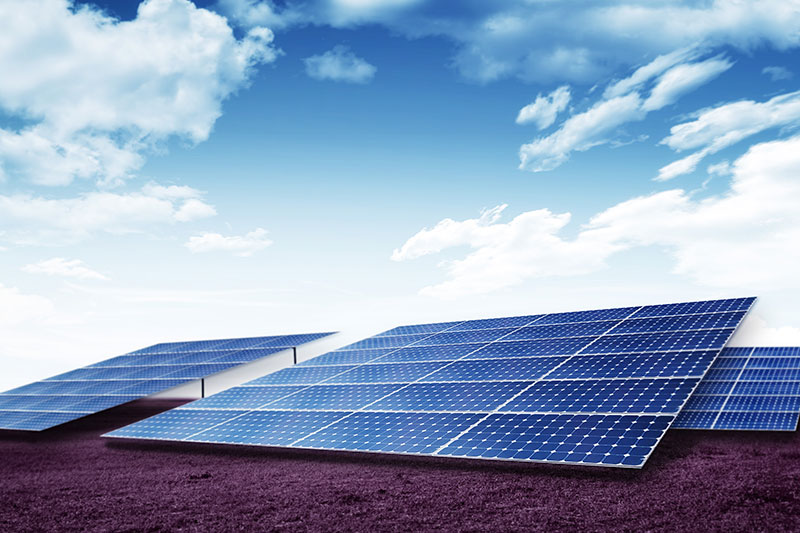
Second is the photovoltaic inverter and cooling system. As the "power conversion hub", the inverter generates a large amount of heat during operation, which requires forced cooling through fans or heat dissipation blowers. The rotor part of the blower is equipped with miniature deep groove ball bearings, whose compact structure and high-speed adaptability ensure the continuous and stable operation of the heat dissipation fan, preventing the inverter from shutting down due to overheating. Needle roller bearings are also used in the heat dissipation modules of some large-scale inverters to withstand radial loads and improve the durability of the heat dissipation system.
Third is the photovoltaic support and energy storage supporting equipment. Spherical plain bearings or thrust ball bearings are used at the adjustable joints of photovoltaic supports, facilitating the adjustment of support angles during installation and bearing the weight load of photovoltaic panels at the same time; in photovoltaic energy storage systems, the handling robotic arms of energy storage batteries and the transmission components of energy storage converters also rely on bearings to achieve precise movements, ensuring the efficient coordination of the energy storage link.
Overall, the core requirements of photovoltaic power generation systems for bearings focus on "weather resistance", "low maintenance" and "high reliability" — high-quality bearings can not only extend the service life of equipment (usually required to match the 25-year design life of photovoltaic systems), but also reduce operation and maintenance costs, indirectly providing support for the long-term and stable power generation of photovoltaic power stations.